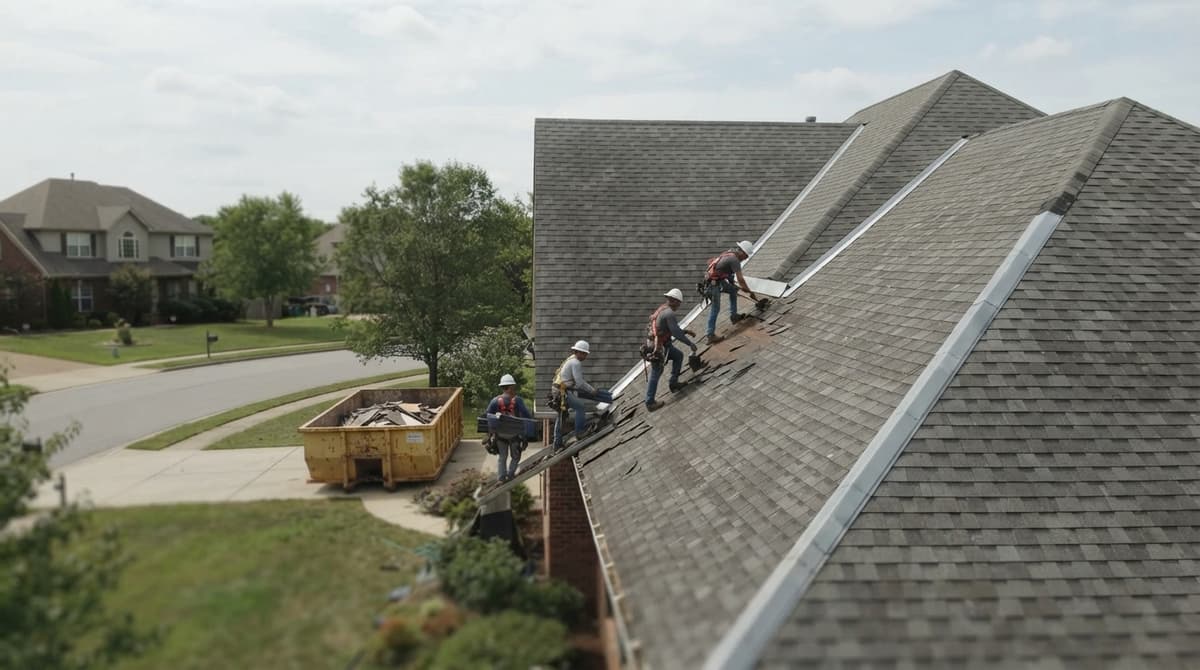
What Is The 25% Rule For Roofing
The 25% rule for roofing is a local code guide: if more than 25% of a roof is fixed or replaced in a set time, the whole roof may need to meet current code. It is not one US law. A city, county, or state may use a different limit, time span, or test. Some have no such rule. This guide was reviewed in October 2026 because codes can change. Ask the local building office which rule applies before work starts.
Get in touchWhat Is the 25% Rule for Roofing?
The 25% rule for roofing sets a repair cap in municipal building standards. When work exceeds this size boundary on a single structure, the entire assembly must often be brought up to modern building standards. Model guidelines like the International Existing Building Code note that "not more than 25 percent of the roof covering of a building shall be repaired, replaced or recovered within any 12-month period" before full adherence applies. While this language exists in many regional manuals, jurisdictions enforce distinct versions. You should verify local mandates before planning major renovations. The threshold exists to stop piecemeal fixes from hiding structural wear.
Where Does the 25% Rule Come From?
Code organizations publish baseline safety books that regional boards adopt and modify. Agencies such as the Federal Emergency Management Agency document how building codes reduce property damage during severe weather events. Many older models adopted a standard 12-month window to track ongoing patches on a single address. Newer code books often change these thresholds or drop the specific percentage entirely. Some towns use strict rules, while neighboring suburbs enforce different systems. State boards review these books on multi-year cycles. Checking with your area inspector reveals the active mandate for your street.
What Does the Rule Mean in Simple Terms?
A minor fix is handled as a standard patch, but a large patch counts as a re-roof. Think of your fence: fixing 1 broken picket is a routine weekend chore, while replacing 7 out of 8 panels is basically building a brand new fence. Once your project crosses that code boundary, the crew must bring the whole deck, underlayment, and flashing up to current codes. This standard stops property owners from spreading a complete roof teardown across separate small jobs to skip permits. If you need extensive work, consult our [roof repair vs. replacement guide] to weigh your options. Passing the threshold turns an everyday patch into a regulated remodel.
A Simple Example of the 25% Rule
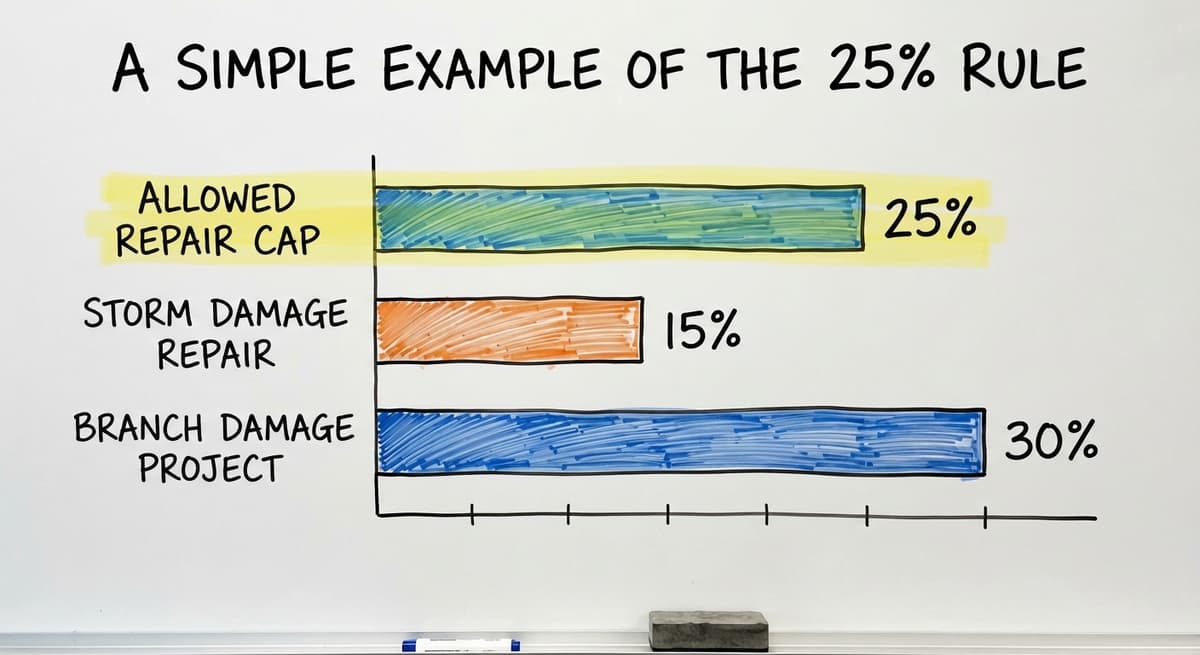
Consider a home with a roof covering 20 squares of roofing, which equals 2,000 square feet of deck area. Under a 25% guideline, the allowed repair cap is exactly 5 squares in a single calendar year. Here is how that math works during an inspection:
- A storm removes shingles across 3 squares, leaving the 15% repair well under the limit for standard patching.
- A falling branch breaks rafters across 6 squares, pushing the 30% project over the line into mandatory updates.
This basic calculation serves as a code demonstration rather than a project estimate. The specific slope and geometry of your roof can alter how an inspector counts sections.
Does the 25% Rule Apply Everywhere?
Building standards differ between municipalities across the country. In Ohio, municipal offices set distinct guidelines for residential exterior work, and Columbus area standards must always be verified with the city building division rather than guessed. The Ohio Board of Building Standards oversees model adaptations, but home rules remain local. Certain townships skip repair caps entirely, while adjacent jurisdictions need structural permits for small patches. Homeowners must check with their municipal clerk before signing construction agreements. Local enforcement choices work out whether your home needs an official site permit.
How Do Roofers Measure the 25%?
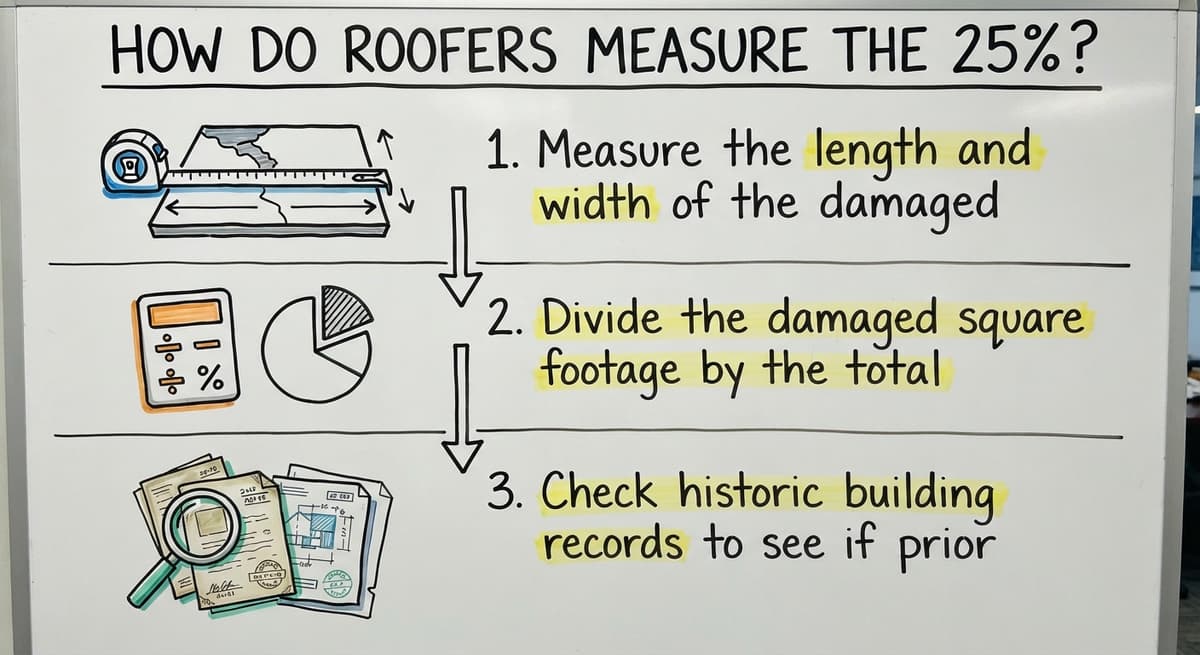
Field measurements rely on surface plane area rather than individual shingle tallies. Estimators measure the damaged slope against the full roof plane to work out the exact percentage. This calculation process follows distinct steps during an inspection:
- Measure the length and width of the damaged section to find the total square footage.
- Divide the damaged square footage by the total surface area of that roof plane.
- Check historic building records to see if prior repairs happened within the past 12 months.
Documenting these calculations with date-stamped aerial photos prevents disputes with municipal inspectors. Clear dimensional math confirms whether a project legally qualifies as a minor repair.
What Happens If a Repair Goes Over 25%?
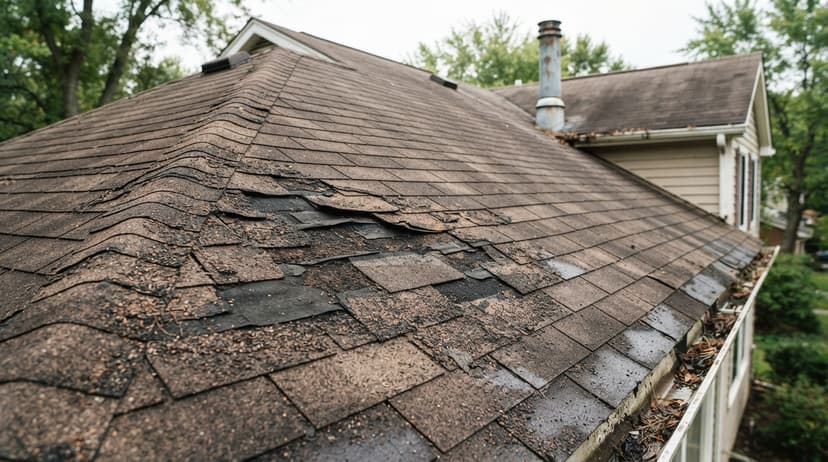
Crossing the threshold triggers a formal [roof replacement] conversation under regional building laws. When work crosses the boundary, a roof permit must be pulled through the city office before work begins. Meeting current code often demands new ice and water shield, updated drip edges, and complete deck re-nailing. The National Roofing Contractors Association details these proper installation details to ensure long roof life. A project that starts as a spot fix can quickly expand into a full deck tear-off. Meeting modern safety guidelines protects the home from premature structural failure.
Is the 25% Rule the Same as an Insurance Rule?
Building codes are civil laws enforced by cities, while insurance policies are private contracts between owners and carriers. The Insurance Information Institute explains that property policies pay out based on specific contract terms rather than municipal mandates. While an adjuster might review city codes, your policy work out whether matching materials or whole slopes are paid for. Carrying code-upgrade endorsements can help offset costs if municipal laws force a full replacement. Keep clean records and photos of all physical damage to share with your carrier. Contract definitions govern your claim payout regardless of local building codes.
Can Storm Damage Change How the Rule Is Applied?
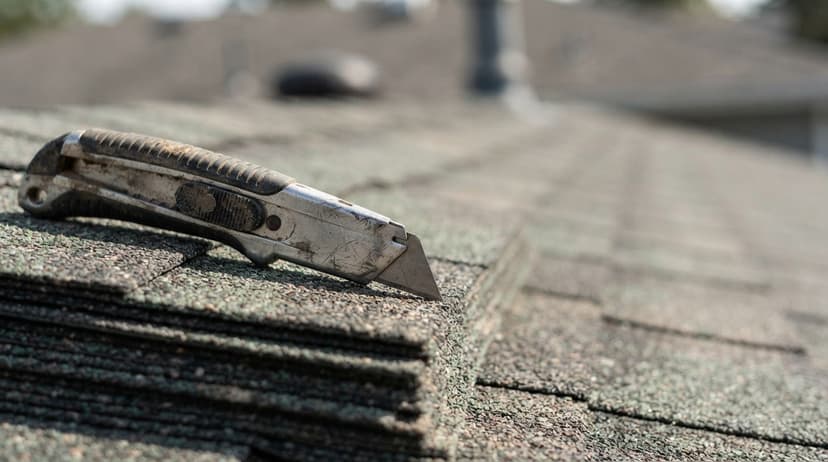
Roof storm damage often spreads across multiple slopes, pushing total project repairs past code thresholds fast. Hail strikes and heavy wind shear rarely isolate themselves to a single corner of the house. Crews catalog wind creases and torn tabs to document the total surface impact for review. You can explore our [storm damage roof repair page] to understand common exterior restoration processes. Clear surface records shows the building department why major structural work must happen. Severe weather turns minor maintenance into an official municipal renovation.
Should I Repair or Replace My Roof?
Deciding between a patch and a new roof needs balancing several practical factors. Our [roof replacement service page] outlines the structural benefits of full tear-offs when decks show heavy wear. Homeowners should evaluate their property using these key checks:
- Assess the overall age of the roof covering to ensure you are not patching expired shingles.
- Count the number of active leaks inside the attic space or along exterior walls.
- Calculate the total square footage of damaged sections against local percentage caps.
- Review the manufacturer warranty on existing shingles to verify remaining coverage.
Evaluating structural wear alongside local regulations helps you pick the right long-term solution.
Questions to Ask Your Roofer About the 25% Rule
Interviewing a contractor before signing paperwork helps protect your home from code penalties. Asking direct questions ensures the crew understands local permit requirements. Bring these questions to your initial project consultation:
- Does our municipal building code enforce a 25% threshold on residential roof repairs?
- What percentage of the overall roof area does this project cover?
- Will this repair need a formal city permit and field inspection before completion?
- Can you provide written damage assessments with supporting aerial photos for my records?
Direct contractor answers ensure your upcoming exterior project remains fully legal.
Next Step: Request a Roof Visit
True Vision Exteriors provides owner-led service with Eduardo, serving residential clients from our office in east Columbus. We confirm all preferred visit requests directly by phone to ensure your schedule is met. To see the communities we serve across the region, visit our [service areas page]. Our team delivers detailed written assessments with clear photographs so you can make informed property choices. Contact our office today through our [request a roof visit page] to set up your upcoming exterior inspection.
Frequently asked questions
How to calculate the number of roofs?
Count each building roof if you need a roof count. For roof area, measure each roof plane and add the results. Divide the total square feet by 100 to find roofing squares. For example, 2,000 square feet equals 20 squares. A roofer should also check the slope, hips, valleys, and waste before ordering material.
Does a roofer have to be licensed in NC?
North Carolina does not issue one license just for roofers. A general contractor license may be needed when the job meets the state limit. North Carolina General Statute 87-1 sets that point at “forty thousand dollars ($40,000) or more”. Local permit and business rules may also apply. Check with the state board and local building office before hiring.
Is a 25 year old roof considered old?
A 25-year-old roof is old for many common roof types, but age alone does not show its true state. The roof type, past care, air flow, leaks, and storm harm all matter. Ask for a close check before choosing roof repair vs. replacement.
How much of a deposit should I give a roofer?
There is no single safe percent for every roofing job. The sum should follow state law and clear contract terms. Ask what the deposit pays for, when more money is due, and if any part can be returned. Do not pay the full bill before work starts. Some sales made at home may have a 3-business-day federal right to cancel, though exceptions apply.
Does the 25% rule apply in every city?
No. Each state or local area can adopt and change its own roofing building code. Some places use a 25% rule. Others use a different test or no set limit. Ask the local building office about the re-roof code, time window, and roof permit rules for your address.
How is the 25% rule measured?
Officials often use roof area, not the number of shingles. They may look at the full roof or one roof section. The local code decides which method applies. Repairs made within a set span, such as 12 months, may add up. Measurements, dates, and clear photos can help show the work area.
Is the 25% rule an insurance rule?
No. A code rule and an insurance policy are separate. Local code tells you how roof work must be done. Your policy sets what the insurer may cover. Read the policy and ask the insurer about your claim. Written notes and photos of roof storm damage can help support that talk, but they do not promise approval.
Start with a free first look
A 30 minute call, your operation mapped, and a clear picture of what we would build. No obligation and nothing to install.
Get in touchRelated guides
More on the same work.
- Roof Repair Gahanna Oh
- Roofing New Albany Oh
- Roofing Gahanna Oh
- Roof Repair Worthington Oh
- Roofing Groveport Oh
- Roofing Worthington Oh
- Roof Replacement Whitehall Oh
- Roofing Blacklick Oh
- Roof Replacement Reynoldsburg Oh
- Roof Replacement Groveport Oh
- Roof Replacement Pataskala Oh
- Roof Replacement Bexley Oh
- Roof Replacement Blacklick Oh
- Roof Replacement Columbus OH
- Roof Replacement Pickerington Oh
- Roofing Columbus OH
- Roofing Whitehall Oh
- Roof Repair Bexley Oh
- Roofing Westerville Oh
- Roofing Grove City Oh
- Roof Repair New Albany Oh
- Roofing Canal Winchester Oh
- Roof Repair Whitehall Oh
- Roofing Bexley Oh